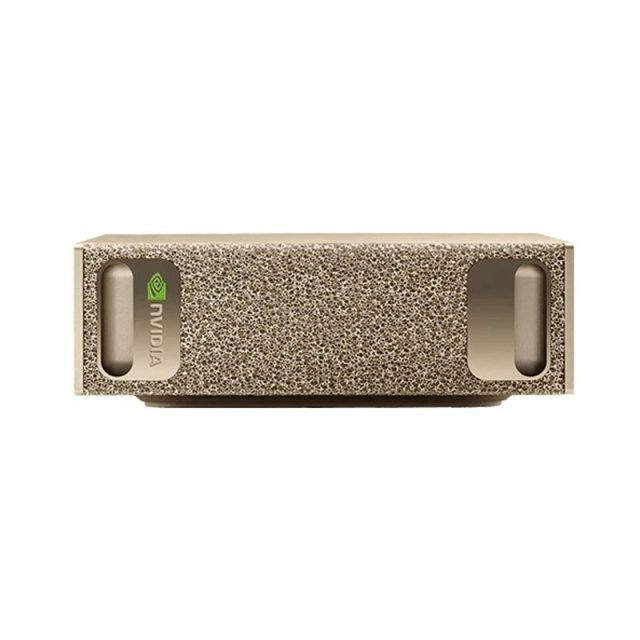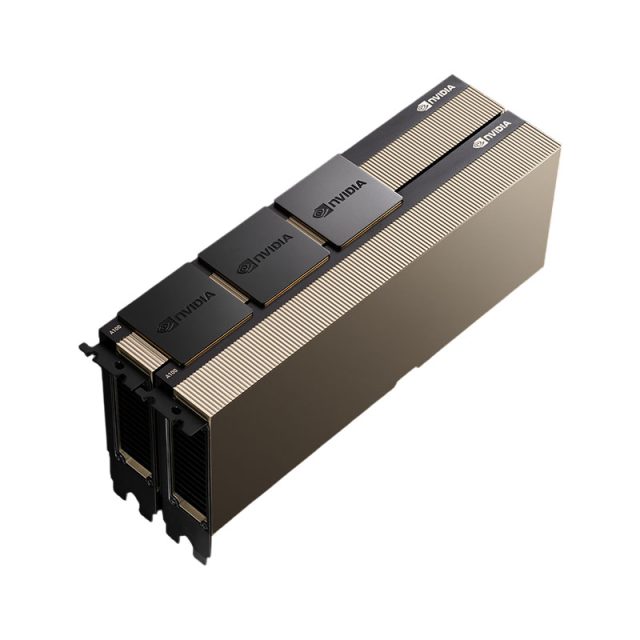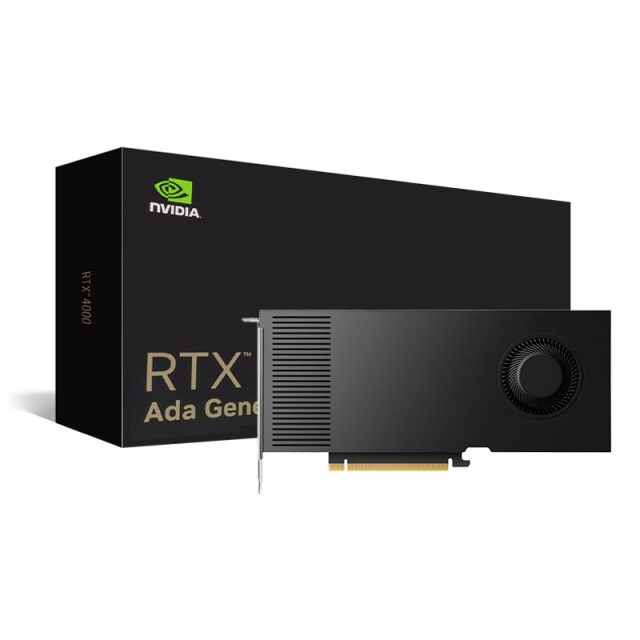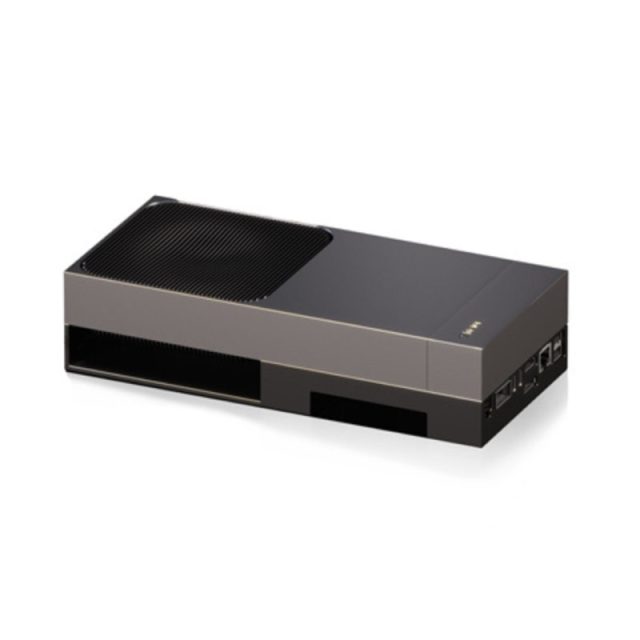



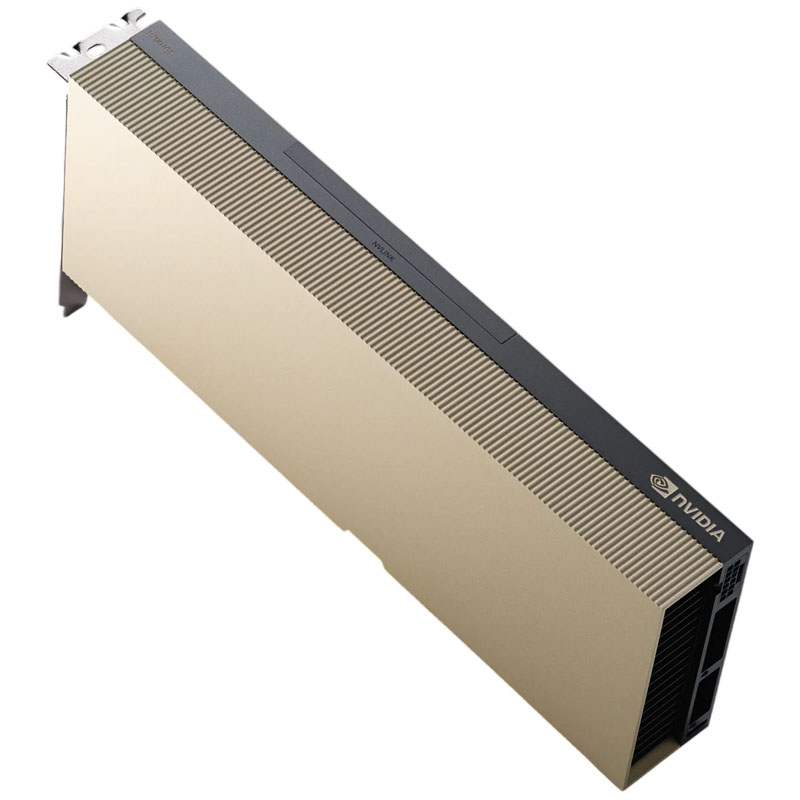
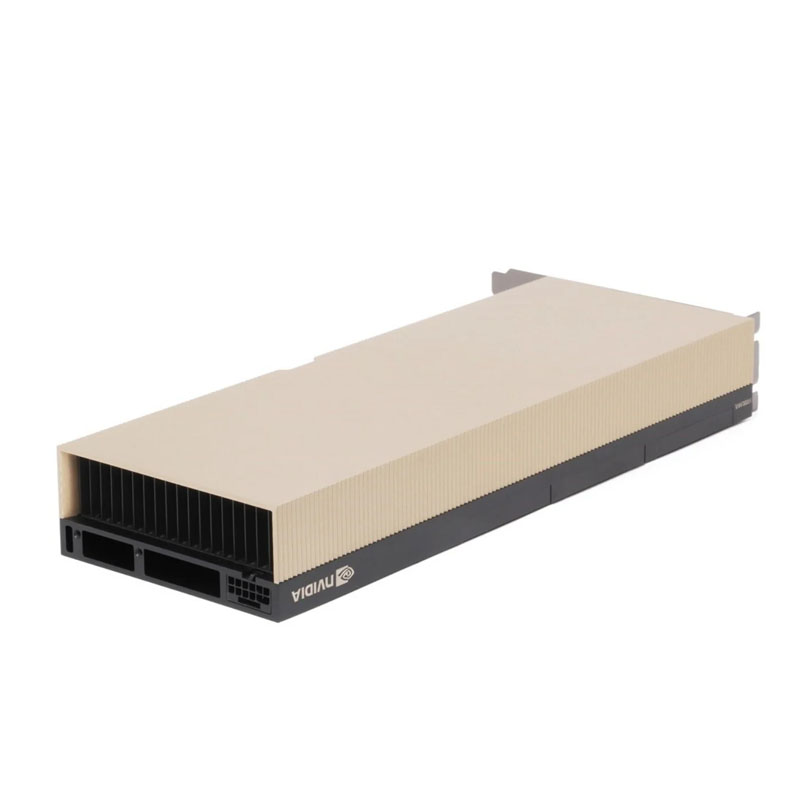
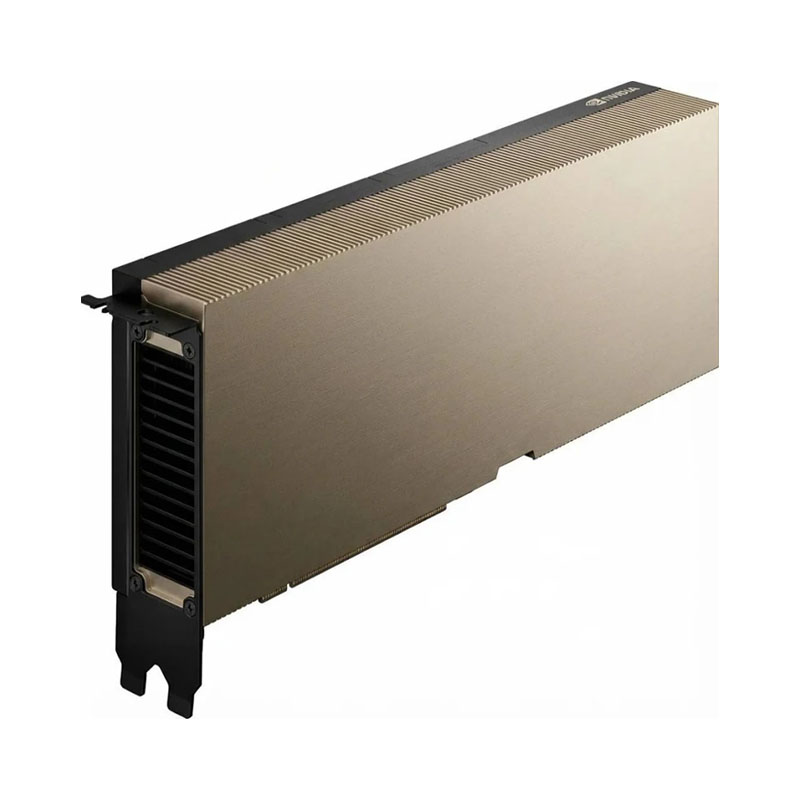

The NVIDIA H200 141GB Tensor Core GPU is a high-end data center accelerator built to supercharge Generative AI and HPC workloads with a major leap in memory capacity and bandwidth. Based on the NVIDIA Hopper™ architecture, H200 is the first GPU to pair 141GB of HBM3e with up to 4.8 TB/s memory bandwidth—helping large models run faster by feeding the GPU dramatically more data per second and reducing memory bottlenecks.
Engineered for modern AI stacks (LLMs, multimodal, and large-scale inference/training) and compute-intensive scientific workloads, the H200’s larger, faster memory is ideal for bigger batch sizes, longer context windows, and higher throughput—all while improving overall data center efficiency and time-to-results.
Key Highlights
- 141GB HBM3e Memory (ultra-large on-GPU memory for bigger models and datasets)
- Up to 4.8 TB/s Memory Bandwidth (breakthrough data movement for AI + HPC)
- Hopper Architecture + Tensor Cores for accelerated AI training/inference and scientific computing
- Designed for GenAI & LLMs—larger/faster memory helps unlock higher throughput and better utilization
- HPC-Ready Performance for simulation, modeling, and advanced research workloads
- Data Center Efficiency Focus—built to improve performance per watt and lower time-to-results at scale